Skip to content
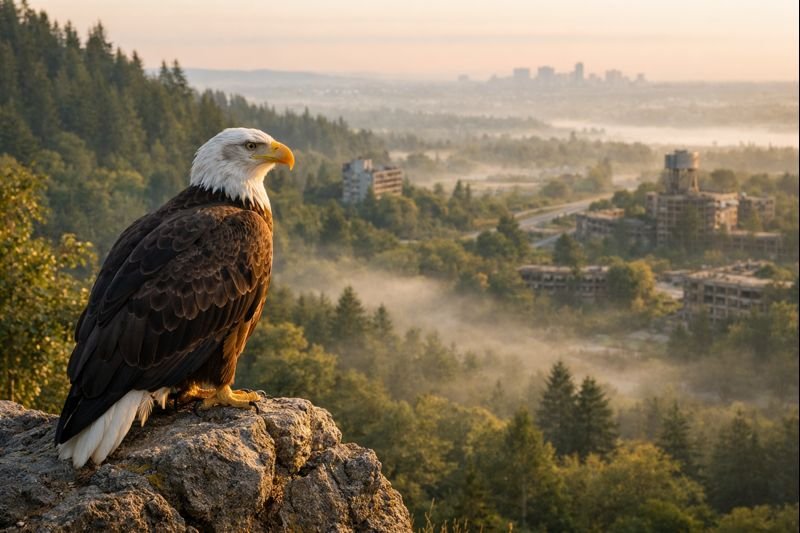
Across cultures and centuries, stories have been one of humanity’s most powerful tools for understanding the natural world. Long before environmental science and climate data, storytellers used animals as messengers—voices that carried warnings, wisdom, and moral clarity. Today, as ecological crises grow more urgent, fiction books about animals protecting nature have become more relevant than ever.
These stories imagine animals not as passive victims of environmental destruction, but as conscious guardians of the planet. They challenge human-centered thinking and ask a difficult question: What if the natural world could speak back—and chose to act?
Among modern works exploring this idea, The Eagle Has Landed by Alliance B. Asaba stands as a bold and thoughtful contribution. Through allegory, satire, and quiet urgency, the novel places animals at the center of environmental responsibility and reframes humanity’s role within the natural order.
Why Stories of Animals Protecting Nature Matter Now
Environmental collapse is often discussed in technical terms—carbon levels, deforestation rates, extinction statistics. While important, these numbers can feel distant. Animals protecting nature fiction books bridge that emotional gap by turning abstract crises into lived experiences.
When animals become storytellers, readers feel the loss of forests, rivers, and balance on a personal level. This emotional connection is why fiction books about animals resonate so deeply. They do not lecture; they reveal. They do not accuse; they invite reflection.
The Eagle Has Landed: Nature Pushes Back—Without Violence
At the heart of The Eagle Has Landed is a powerful premise: animals across the globe have been watching humanity spiral into excess, exhaustion, and ecological disregard. Instead of responding with chaos or destruction, they choose coordination, restraint, and symbolic resistance.
Eagles become messengers. Elephants block roads. Dolphins disrupt shipping routes. Even pigeons participate in subtle, strategic defiance. These acts are not meant to punish, but to force humans to pause.
This approach places the novel firmly among the most thoughtful fiction books about animals protecting nature, because protection is framed as intervention rather than domination. The animals do not seek control over humans—they seek balance with them.
Protection Through Awareness, Not Power
One of the novel’s most compelling ideas is that nature does not need to conquer humanity to survive—humanity needs to remember how to coexist. The animals in The Eagle Has Landed act as guardians, not rulers.
This distinction elevates the book into the category of best fiction books about animals, where the central conflict is moral rather than physical. The animals expose how human systems—relentless productivity, unchecked consumption, and constant comparison—are incompatible with a living planet. Protection, in this story, begins with awareness.
The Role of the Eagle: Seeing the Whole Picture
The eagle serves as the novel’s central symbol. From high above, it sees what humans often cannot: interconnected systems, long-term consequences, and fragile balance. The Eagle King’s leadership is calm, deliberate, and ethical.
Rather than issuing commands through fear, the eagle speaks in truths. This perspective reinforces one of the defining qualities of fiction books about animals protecting nature —wisdom often comes from distance, stillness, and observation. The eagle does not represent dominance. It represents clarity.
Nature as a Moral System
In The Eagle Has Landed, nature is not chaotic or cruel. It is measured, responsive, and deeply ethical. Animals intervene only after centuries of warning signs have been ignored.
This portrayal aligns with the deeper philosophy found in many inspiring books about animals saving nature, where the natural world operates on principles humans have forgotten:
- Enough is enough
- Every action has consequences
- Survival depends on balance
The animals’ response is not emotional—it is inevitable.
Parallels with Other Environmental Animal Narratives
Readers who connect with The Eagle Has Landed often find meaning in other novels that explore animals as stewards of the planet.
Watership Down by Richard Adams
This classic novel, Watership Down, portrays rabbits fleeing environmental destruction caused by human development. Like The Eagle Has Landed, it emphasizes community, survival, and the cost of ignoring nature’s limits. Its enduring relevance makes it a cornerstone among fiction books.
Ishmael by Daniel Quinn
Though not told entirely from an animal’s perspective, Ishmael uses a gorilla as a philosophical guide to critique human exceptionalism. The book’s core message—that humanity sees itself as separate from nature—deeply aligns with the worldview presented in The Eagle Has Landed.
The Memory of an Elephant by Alex Lasker
This novel emphasizes remembrance—how animals carry memory across generations, while humans often forget. Its focus on loss, habitat destruction, and emotional intelligence mirrors the moral urgency found in The Eagle Has Landed, and The Memory of an Elephant further strengthens its place among fiction books.
Together, these works form a rich literary ecosystem exploring environmental responsibility through animal consciousness. If you are interested in more titles like these, don’t forget to visit our blog “Book About Animals Teaching Humans: Why Does It Make An Impact On Readers?.”
Quiet Resistance as Environmental Protection
One of the most striking aspects of The Eagle Has Landed is its rejection of violence as a solution. Animals protect nature not by attacking humans, but by withdrawing cooperation.
- Cows stop producing milk.
- Dogs refuse commands.
- Birds disrupt daily routines.
This quiet resistance is deeply symbolic. It reflects the reality that nature does not collapse overnight—it withdraws slowly when abused.
This subtlety is why the novel stands out among books of fiction about animals protecting nature. The threat is not a sudden catastrophe—it is a systemic imbalance.
Children, Elders, and the Hope of Renewal
Despite its sharp critique, the novel never abandons hope. Children who look up at the sky, elders who remember slower ways of living, and communities willing to listen become symbols of possible renewal.
This mirrors a recurring pattern in fiction books about animals: the future is not saved by power, but by remembrance. By reconnecting with curiosity, patience, and humility, humans can still choose a different path. Hope in this story is fragile—but real.
Why These Stories Endure
Environmental fiction centered on animals endures because it speaks across generations. It is accessible to young readers, reflective for adults, and profound for anyone willing to listen.
The lasting appeal of the best fiction books about animals protecting nature lies in their ability to bypass defensiveness. When animals speak, readers lower their guard. They listen. The Eagle Has Landed succeeds because it does not shame—it reveals.
Anyone who wants to explore environmental awareness further can get insight from our guide, “Environmental Awareness Fiction Book Guide: Stories That Inspire Change.”
The Deeper Question These Books Ask
Ultimately, stories such as The Eagle Has Landed are not asking whether animals can save the planet. They are asking whether humans can remember that they are part of it.
By positioning animals as guardians rather than victims, fiction books challenge humanity’s self-image. They suggest that progress without responsibility is not advancement—it is erosion.
Final Reflection
In a world facing ecological uncertainty, stories matter. They shape values, awaken empathy, and remind us what data alone cannot.
The Eagle Has Landed by Alliance B. Asaba belongs among the most thoughtful fiction books about animals protecting nature, offering a vision of resistance rooted in wisdom, restraint, and hope. Alongside works like Watership Down, Ishmael, and The Memory of an Elephant, it invites readers to imagine a world where nature is not conquered—but respected.
Because sometimes, the most powerful act of protection is simply refusing to remain silent. For more insight, see our blog “Fiction Books About Animal Justice: Powerful Stories of Voice, Freedom, and Hope.”