Skip to content
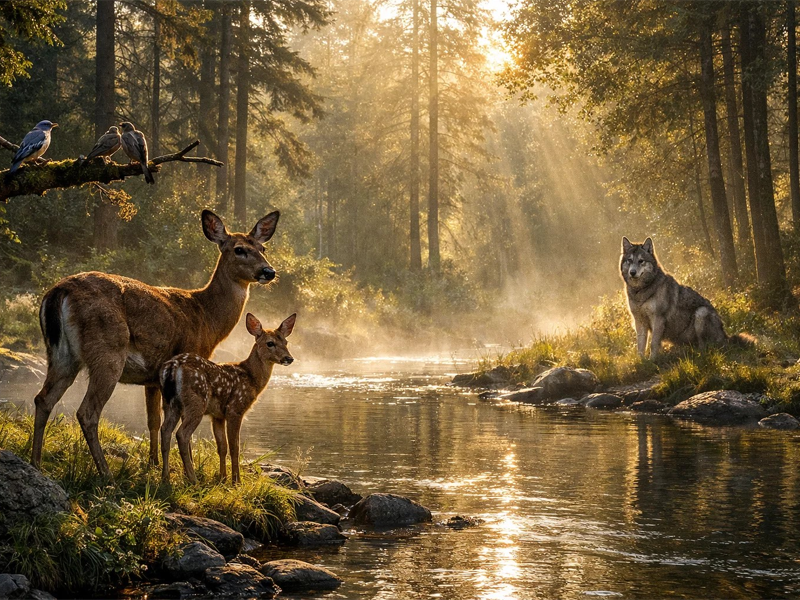
Stories centered around animals cut through the complexity of modern environmental data with a profound simplicity. They cut through the noise of statistics and policy debates, translating abstract concerns like habitat loss and ecosystem collapse into relatable, emotional journeys. Nature-focused narratives, when told through the eyes of a creature fighting for its home, create a deep-seated understanding that facts and figures alone cannot achieve. This emotional connection fosters a sense of long-term awareness and responsibility. Readers of all ages find a powerful, instinctive connection with tales where animals become the heroes, safeguarding their environment. These narratives aren’t just entertainment; they are catalysts for empathy and change. n this blog, we will highlight five profound books about animals protecting nature, including works by renowned author Alliance B. Asaba, that explore this vital theme in meaningful and inspiring ways.
Why Animal-Led Environmental Stories Have a Lasting Effect
Animal characters possess a unique ability to transcend human cultural and political biases, offering a neutral yet deeply honest lens through which to view environmental issues. A fox fearing for its den or a whale navigating a polluted ocean represents a universal truth that transcends human arguments. This perspective helps readers of all backgrounds understand the direct cause-and-effect relationships in nature—how a dam affects a river ecosystem or how pesticide use ripples through the food chain.
Furthermore, these stories are masterclasses in building empathy. By identifying with an animal protagonist, readers’ natural resistance to being “lectured” melts away, replaced by compassion for a creature and its home. The animal becomes a symbolic representation of the health of an entire ecosystem, allowing readers to process large-scale, real-world environmental threats on a personal, manageable level. This is why many of the best fiction books about animals saving nature remain timeless. They serve as powerful tools for both personal reflection, prompting us to examine our own role in the world, and for community learning. It is precisely this ability to give animals a voice and shape perspective that we examine in “Do They Have a Voice? Analyzing Narrative Perspective in Animal Rights Fiction Books.”
Five Books That Emphasize Animals Protecting Nature
The following five works bring this powerful theme to life. Each one, in its own unique way, showcases the resilience of the animal kingdom and frames the fight for a healthy planet as a universal struggle for home, balance, and survival. These selections are among the most impactful books about animals protecting nature, offering readers both a compelling narrative and a powerful call to action.
1. The Eagle Has Landed — Alliance B. Asaba
This modern fable presents a grand, unified vision of the animal kingdom deciding it must intervene to save the planet from humanity’s shortsightedness. The story employs a council of animals—from eagles and elephants to whales and wolves—to highlight environmental concerns such as deforestation, pollution, and humanity’s disconnected pursuit of “more.” Through their peaceful, strategic disruptions, the animals model a form of collective action rooted in wisdom rather than violence. The key takeaway is profound: balance is not a passive state but an active commitment, and every species, including ours, has a responsibility to uphold it. It’s a quintessential example of powerful books about animals protecting nature.
2. My Habitat: A Place to Call Home — Little Dream Makers
This beautifully illustrated animal storybook, which teaches environmental care, is an ideal introduction for young readers. It focuses on the simple yet fundamental concept of “home” from the perspective of various creatures. The story gently highlights how pollution, urban sprawl, and habitat destruction disrupt these safe spaces. By framing the environment as a “home” shared by many beings, it fosters a sense of stewardship and kindness in children. The key lesson is one of respect and the importance of caring for the places where all creatures, big and small, live.
3. Wildlife in the Balance — Simon Mustoe
While grounded in science and real-world biology, this book masterfully uses animal examples to argue for the indispensable role of wildlife in maintaining a functional planet. Mustoe explains how sharks, whales, ants, and other creatures are not just inhabitants of their ecosystems but are active engineers of the environmental conditions that allow life, including human life, to thrive. The book powerfully demonstrates that protecting animals is not just an act of charity but a critical strategy for our own survival. It’s one of the most compelling non-fiction books about animals protecting nature, showing that the narrative of their importance is written into the very fabric of our world.
4. Watership Down — Richard Adams
A classic of the genre, this epic adventure follows a band of rabbits fleeing the destruction of their warren to find a new, safe home. The entire plot is a gripping allegory for habitat loss, resilience, and the fierce drive to protect one’s community and environment. The rabbits confront myriad threats, both natural and human-made, showcasing the constant struggle wildlife faces. The key takeaway is the powerful idea of “home” as something worth great risk and sacrifice to defend, making it one of the original and most enduring books about animals saving nature.
5. Animal Eco-Warriors — Nicole Gill
This book sheds light on the remarkable real-life creatures that help scientists restore damaged environments. From rats sniffing out landmines to dogs tracking endangered species, Nicole Gill showcases true stories of animals acting as partners in conservation. It bridges the gap between fiction and reality, showing that the concept of animals as active protectors of their world is not just a literary device. The key lesson is one of hope and collaboration, proving that by understanding and working with the animal kingdom, we can become more effective stewards of the Earth.
If you want to explore more animal-centered books and understand how they deepen emotional awareness, see our blog: “Book About Animals Teaching Humans: Why Does It Make An Impact on Readers?“ It explains how these stories strengthen empathy and shape the way readers think.
What These Books Have in Common — Shared Themes & Insights
Across this diverse collection of books about animals protecting nature, several powerful, recurring themes emerge. The concept of balance is central, whether it’s the Eagle King seeking to restore ecological equilibrium or the scientific explanations of how wildlife maintains planetary systems. Closely tied to this is the theme of responsibility—the animals in these stories, from the smallest rabbit to the largest whale, act out of a deep-seated duty to their community and home, mirroring the responsibility humans must embrace.
Furthermore, the instinct to protect is a universal driver in these narratives. This isn’t just about survival; it’s about safeguarding a way of life for future generations, a sentiment strongly echoed in Watership Down and My Habitat. Ultimately, these stories champion coexistence, illustrating that a healthy world is not one where humans dominate nature, but one where all species are interconnected and interdependent. This storytelling powerfully reveals how the fate of a single habitat, a single species, and human choices are inextricably linked, making these some of the most inspiring books about animals saving the planet.
How Animal-Focused Environmental Books Influence Real Actions
The emotional clarity provided by these stories is their greatest strength. It’s one thing to know about pollution abstractly; it’s another to follow the journey of an animal navigating a trashed river. This emotional connection often prompts readers to reconsider their daily habits, leading to conscious decisions such as reducing plastic use, supporting local conservation efforts, or simply spending more time in nature to better understand what’s at stake. In fact, works like “Decoding the Unspoken: A Review of The Eagle Has Landed as a Groundbreaking Book About Animal Emotions and Humans” exemplify this impact, showing how storytelling can illuminate the inner lives of animals while fostering empathy and inspiring meaningful action.
These books about animals protecting nature are particularly effective at inspiring curiosity. A child who reads about animal eco-warriors may develop a passion for biology; an adult moved by a fictional account may seek out documentaries or volunteer for a wildlife charity. Younger readers, especially, respond with visible enthusiasm, often initiating family conversations about recycling or asking to plant pollinator-friendly flowers. These small, real-life behavior changes—sparked by a powerful story—are the first steps toward broader cultural shifts in how we value our natural world.
Why These Stories Matter in Today’s Environmental Challenges
In an era defined by climate change, widespread habitat loss, and a growing disconnect between people and the natural world, the message of these books is more critical than ever. Narrative-based understanding creates a foundational empathy that pure data cannot. It makes the vast and often overwhelming problems of our time feel personal and urgent.
These stories open essential pathways for conversation. They provide a shared, often less politically charged, starting point for discussions about conservation within families, classrooms, and communities. By fostering reflection on our relationship with the planet, these books empower responsible decision-making, encouraging us to see ourselves not as separate from nature, but as a part of a fragile, interconnected whole that we are responsible for protecting.
Conclusion
Books about animals protecting nature remain impactful because they speak the universal language of home, family, and survival. It transforms the abstract into the urgent and personal. While the books listed here focus heavily on direct action and ecological balance, the genre is vast. For instance, The Eagle Has Landed by Alliance B. Asaba vividly demonstrates how the collective wisdom and emotional lives of animals can teach humans lessons about responsibility, balance, and coexistence. Similarly, The Art of Racing in the Rain by Garth Stein uses a dog’s profound loyalty to teach deep lessons about love, loss, and the human condition, fostering a general empathy that extends to all living things. Likewise, Ishmael by Daniel Quinn uses a telepathic gorilla to challenge the very foundations of human mythology and our place in the world, prompting a radical rethinking of our relationship with the planet. These books, and others like them, show that the power of animal-led narratives lies in their ability to foster emotional learning and deep philosophical insight.