Skip to content
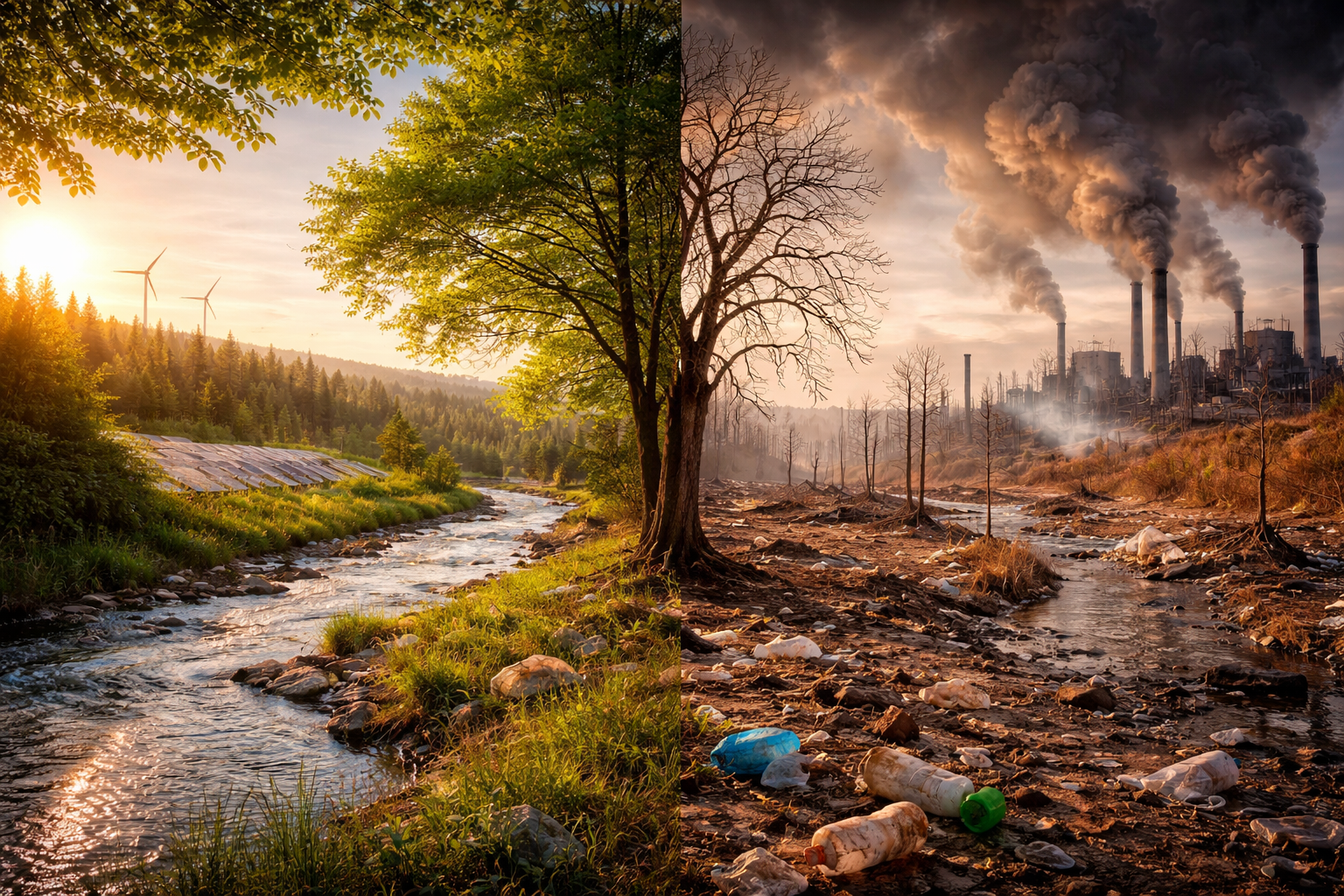
Stories have always shaped how societies understand their place in the world. Long before environmental movements, scientific reports, or climate summits, storytellers used metaphor and imagination to explore humanity’s relationship with nature. Today, as ecological concerns become increasingly urgent, the environmental awareness fiction book has emerged as one of the most powerful tools for reflection and transformation.
Unlike nonfiction, fiction bypasses resistance. It does not demand agreement—it invites experience. Through symbolism, allegory, and emotional resonance, these stories help readers feel the consequences of environmental neglect and the possibility of renewal. Among contemporary works that exemplify this power, The Eagle Has Landed by Alliance B. Asaba stands as a thoughtful and compelling contribution.
This guide explores how The Eagle Has Landed functions as an environmental awareness book, why such stories matter now, and how other classic works deepen our understanding of environmental consciousness.
Why Environmental Awareness Fiction Matters
Statistics, projections, and policy debates often dominate environmental discussions. While essential, these approaches can feel distant or overwhelming. Fiction operates differently. It humanizes—or in many cases, naturalizes—the issue.
A well-written environmental awareness book allows readers to witness environmental imbalance from within the story itself. Rather than being told what is wrong, readers discover it alongside the characters. This emotional engagement fosters empathy, which is the foundation of lasting change.
For understanding how animals protect nature, don’t forget to visit our guide: “Best Fiction Books About Animals Protecting Nature and the Planet.“
The Eagle Has Landed: Nature Speaks at Last
At the center of The Eagle Has Landed is a simple but profound idea: animals have been observing humanity for centuries, quietly watching the planet fall out of balance. When they finally act, their response is not violent, chaotic, or vengeful. It is deliberate, restrained, and deeply ethical.
This approach firmly establishes the novel as an environmental awareness fiction book that prioritizes reflection over spectacle. The animals intervene not to punish humanity, but to interrupt destructive momentum. Roads are blocked, systems are disrupted, routines are unsettled—all to force humans to slow down and notice what they have been ignoring.
Awareness as the First Step Toward Change
One of the novel’s most striking insights is that environmental collapse does not begin with catastrophe—it begins with inattention. Humans in The Eagle Has Landed are not portrayed as villains. They are distracted, exhausted, and disconnected.
This framing places the book among the best environmental awareness books because it emphasizes responsibility without condemnation. Awareness, not guilt, is the catalyst for change. The animals do not lecture. They demonstrate.
The Eagle as Symbol: Seeing What Humans Miss
The eagle functions as the novel’s moral and philosophical center. From its elevated perspective, it sees interconnected systems rather than isolated events. Pollution is not just waste. Consumption is not just convenience. Progress is not always improvement.
This symbolic role reinforces why The Eagle Has Landed works so effectively as an environmental awareness fiction book. The eagle represents long-term thinking, a quality modern society often lacks. It reminds readers that environmental consequences unfold over generations, not news cycles.
Silence, Resistance, and Natural Limits
Unlike many environmental narratives that rely on dramatic disasters, The Eagle Has Landed uses silence and withdrawal as tools of resistance. Animals stop cooperating with human systems. Nature refuses to perform on demand.
This subtle strategy aligns the novel with the best fiction books on environmental awareness, where the most powerful message is not destruction, but refusal. Nature does not need to attack humanity to make its point—it simply needs to stop absorbing abuse without response.
Connections to Classic Environmental Allegories
Readers who appreciate The Eagle Has Landed often find thematic resonance in other well-known works that use allegory to explore awareness, freedom, and responsibility.
Jonathan Livingston Seagull by Richard Bach
Though often read as a spiritual or philosophical tale, this novella also functions as an environmental awareness fiction book in its own right. Jonathan’s rejection of conformity and his pursuit of higher understanding echo the eagle’s perspective in Asaba’s novel. Both stories emphasize elevation—literal and metaphorical—as a path to clarity.
Animal Farm by George Orwell
While primarily a political allegory, Animal Farm offers valuable insight into power, exploitation, and the consequences of ignoring foundational principles. Its portrayal of animals responding to systemic abuse complements The Eagle Has Landed‘s exploration of what happens when natural and ethical laws are repeatedly violated.
Together, these works deepen the reader’s appreciation of how fiction can illuminate environmental and moral truths simultaneously. You can also explore our blog for more books, “Book About Animals Teaching Humans: Why Does It Make An Impact On Readers?.”
Humanity’s Illusion of Progress
A recurring theme in The Eagle Has Landed is the human obsession with speed and growth. Skyscrapers rise, technology accelerates, and productivity increases—yet fulfillment diminishes, and ecosystems collapse.
This contradiction is central to any meaningful environmental awareness book. Progress without balance becomes erosion. Innovation without restraint becomes exploitation. The novel does not reject advancement—it questions its direction.
Children and Elders: Carriers of Memory
Hope in The Eagle Has Landed is embodied not by institutions, but by individuals—especially children and elders. Children still look up. Elders still remember a slower world. Both represent awareness unburdened by ambition.
This motif appears frequently in top environmental awareness fiction books, where renewal begins with remembrance. The future, the novel suggests, depends on reconnecting with values that existed before excess became normal.
Why These Stories Inspire Real Change
The most effective environmental fiction does not end with despair. It leaves readers unsettled—but empowered. The Eagle Has Landed closes not with resolution, but with possibility.
That is the defining strength of an environmental awareness book: it does not dictate solutions. It changes perception. And once perception shifts, action often follows.
Environmental Awareness as a Shared Responsibility
One of the novel’s quiet truths is that a single act rarely causes environmental harm. It is cumulative, habitual, and normalized. By disrupting routines rather than individuals, the animals expose how deeply environmental damage is woven into everyday life.
This systemic lens places the book among fiction books about environmental awareness that encourage readers to reflect on participation, not blame.
The Enduring Power of Environmental Fiction
Environmental fiction endures because it speaks to something primal: humanity’s original relationship with the natural world. Before ownership, before industry, before borders, there was coexistence.
The lasting appeal of an environmental awareness book lies in its ability to remind readers of that forgotten relationship. It asks not what we can take from the planet—but how we might belong to it again.
Final Reflection
The Eagle Has Landed by Alliance B. Asaba is more than a cautionary tale. It is a mirror, a warning, and an invitation. By giving nature a voice, it challenges readers to listen—not with fear, but with humility.
As part of the growing canon of best environmental awareness fiction books, it stands alongside works like Jonathan Livingston Seagull and Animal Farm as a reminder that awareness is the first step toward wisdom, and wisdom is the foundation of change.
In a world that often moves too fast to notice what it is losing, stories like these slow us down—long enough to see, to feel, and perhaps, to choose differently For more powerful stories and freedom voices, see our blog “Fiction Books About Animal Justice: Powerful Stories of Voice, Freedom, and Hope.“