Skip to content
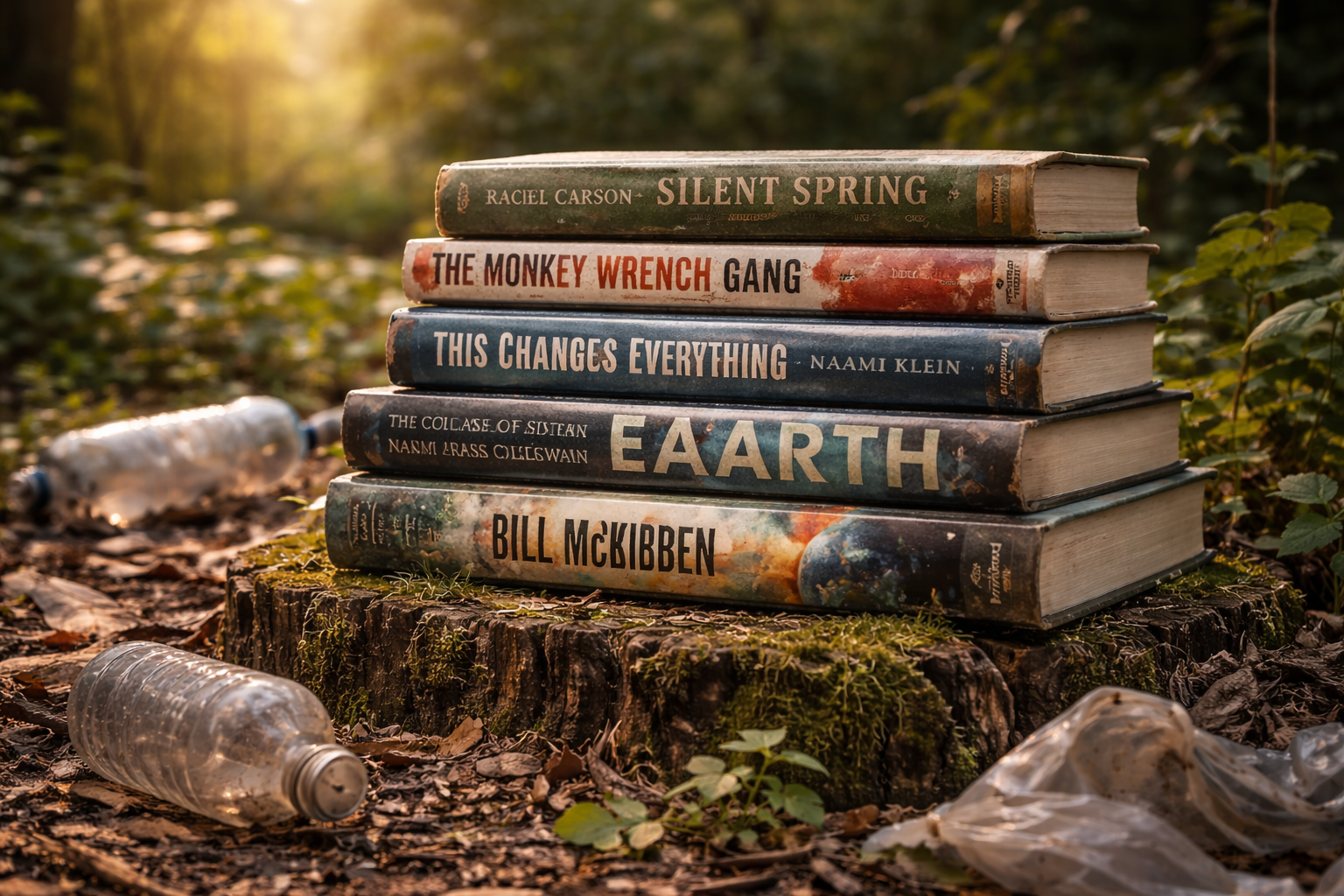
As climate anxiety rises and consumer culture continues to strain the planet’s delicate balance, literature has emerged as a powerful mirror, helping society confront its ecological realities and moral contradictions. Among the most impactful works are the top environmental satire books—stories that hold up a mirror to humanity and ask uncomfortable questions. These books don’t simply preach; they provoke, entertain, and challenge readers to confront the contradictions of modern life.
One standout in this category is The Eagle Has Landed by Alliance B. Asaba. Through humor, allegory, and sharp social commentary, this novel boldly exposes humanity’s ecological failures while offering a message of hope. Let’s explore how this remarkable story uses satire to dissect modern society.
A Satirical Premise That Flips the World Upside Down
At its core, The Eagle Has Landed asks a deceptively simple question: What if animals decided humans needed intervention?
Rather than staging a violent rebellion, the animal kingdom convenes a grand council to evaluate humanity’s behavior. They observe deforestation, pollution, social media obsession, consumer addiction, and endless dissatisfaction. Their conclusion? Humans are intelligent—but deeply unbalanced.
This imaginative reversal immediately places the novel among the satire books because it uses irony as its sharpest weapon. Instead of humans studying animals, animals analyze humans—and the verdict is devastating.
The animals are not cruel. They are confused. They watch humans invent $500 smart water bottles to remind themselves to drink, build skyscrapers while destroying forests, and create technology to save time, only to complain about having none. Through satire, the book exposes how absurd modern life has become.
What if everything you believed was turned upside down? Read more in our blog: “Philosophical Fiction Books About Society That Question Human Values.“
The Human Dilemma: Endless Want in a Finite World
One of the most powerful themes in The Eagle Has Landed is the “Curse of Endless Want.” Humans, the animals observe, are never satisfied:
- More money.
- More success.
- More status.
- More validation.
This relentless pursuit of “more” drives environmental destruction. Forests fall. Rivers choke. Oceans suffer. Yet satisfaction remains elusive. The novel doesn’t simply critique pollution; it critiques the psychology behind it. The environmental crisis is not merely industrial—it is emotional and cultural.
By examining busyness, hustle culture, and social comparison, the novel becomes one of the most insightful books exposing human impact on nature. It argues that ecological collapse is rooted in internal imbalance.
The Grand Animal Meeting: A Mirror to Modern Politics
When the animals gather for a global council, the satire deepens. Each species voices its grievance:
- Whales lament poisoned oceans.
- Bees warn of pesticide destruction.
- Elephants question land ownership.
- Foxes mock human obsession with imaginary financial numbers.
This chapter transforms the novel into one of the most compelling top satire books about the environment because it mirrors human political summits—except the animals speak more honestly than humans ever do. The satire is layered:
- Environmental policy failure.
- Corporate greed.
- Artificial borders.
- War over invisible lines.
Yet the animals decide on nonviolent disruption. They aim to restore balance, not dominate. This moral restraint distinguishes the novel among the top environmental satire books because it emphasizes responsibility over revenge.
Disruption Without Destruction
In a coordinated awakening, animals begin subtle resistance:
- Elephants block highways.
- Whales disrupt shipping routes.
- Bees stop pollinating.
- Birds interfere with city routines.
Society begins to wobble. The brilliance here lies in the symbolism: humans believe they control the planet, yet the smallest creatures can bring systems to a halt. This reversal makes The Eagle Has Landed one of the most thought-provoking fiction books that satirizes environmental issues. It shows that humanity’s infrastructure rests on ecological foundations we barely acknowledge.
The Eagles’ Journey: Hope in the Gray
The narrative shifts from collective satire to intimate exploration as we follow Zephyr, Abibi, and Akiiki—the chosen eagle messengers. They fly over:
- Polluted rivers.
- Blackened forests.
- Lonely cities.
- Overstimulated crowds.
Yet they also discover:
- A child who looks up at the sky.
- A quiet library preserving wisdom.
- Musicians fighting for rivers.
- Activists protecting trees.
The novel never collapses into despair. Instead, it insists that awareness still flickers within humanity. Among the best environmental satire books, the ones that endure are those that balance critique with possibility. The Eagle Has Landed achieves that balance beautifully.
The Shadow of Discontent
A mysterious shadow begins feeding on negativity—a metaphor for collective anxiety, greed, and apathy. This symbolic presence reflects the emotional pollution parallel to environmental pollution.
Here, the satire sharpens again. The true antagonist is not industry alone, but dissatisfaction itself. This is why it connects ecological collapse with spiritual emptiness. The Earth suffers because humans are unfulfilled.
Why Satire Works So Powerfully
Environmental nonfiction can inform, but satire disarms. By making readers laugh at human absurdity, The Eagle Has Landed bypasses defensiveness. Readers recognize themselves in the characters. The criticism feels earned, not forced.
That’s why satire remains one of the most effective forms of ecological storytelling. The greatest top environmental satire books succeed because they blend humor with uncomfortable truth.
A Deeper Philosophical Warning
The novel argues that:
- Progress without wisdom is dangerous.
- Busyness is not mean.
- Ownership is an illusion.
- Nature is not separate from humanity.
In many ways, this book operates as a philosophical fable. It stands alongside other environmental awareness books that use allegory to reveal the cost of modern living. The animals are not villains. Humans are not villains. The villain is an imbalance.
For Readers Seeking Further Insight
If you are exploring themes similar to those found in The Eagle Has Landed, the following works may offer additional perspective:
· The White Bone by Barbara Gowdy
Told from the perspective of African elephants, The White Bone examines survival, memory, and the human threat to wildlife. It offers a haunting and intimate view of animal consciousness under ecological pressure.
· Raptor Red by Robert T. Bakker
A prehistoric narrative told through the eyes of a female Utahraptor, Raptor Red imagines survival and instinct in a world shaped by natural forces, reminding readers of life’s fragility and resilience.
These books complement the thematic concerns of The Eagle Has Landed for readers interested in animal-centered environmental fiction. For more fiction books like that, visit our blog “Environmental Awareness Books That Use Animals and Satire to Expose Human Greed.“
Why The Eagle Has Landed Belongs Among the Top Environmental Satire Books
To summarize, the novel earns its place because it:
- Uses animals as moral philosophers.
- Critiques consumerism and modern dissatisfaction.
- Connects ecological destruction to emotional imbalance.
- Offers disruption without violence.
- Balances humor with urgency.
- Leaves readers questioning their habits.
It is not just one of the best environmental satire books; it is one of the most accessible and thought-provoking entries in contemporary allegorical fiction.
For more insights on literature that calls humanity to action, read our blog “Environmental Responsibility Books That Highlight Humanity’s Duty to Nature,” which explores how writers like Alliance B. Asaba challenge us to protect and preserve the planet.
Final Reflection: Will We Listen?
The ultimate question posed by The Eagle Has Landed is not whether animals can change the world. It is whether humans can change themselves.
Among the top environmental satire books, the most powerful are those that don’t simply accuse—but awaken. This novel invites readers to slow down, reconsider what “progress” means, and rediscover balance before the shadow grows too large.
As climate conversations grow louder and environmental realities intensify, stories like this become more important than ever. They remind us that satire is not mockery—it is medicine.
And perhaps that is why works like The Eagle Has Landed expose humanity’s ecological failures while still daring to hope for redemption.