Skip to content
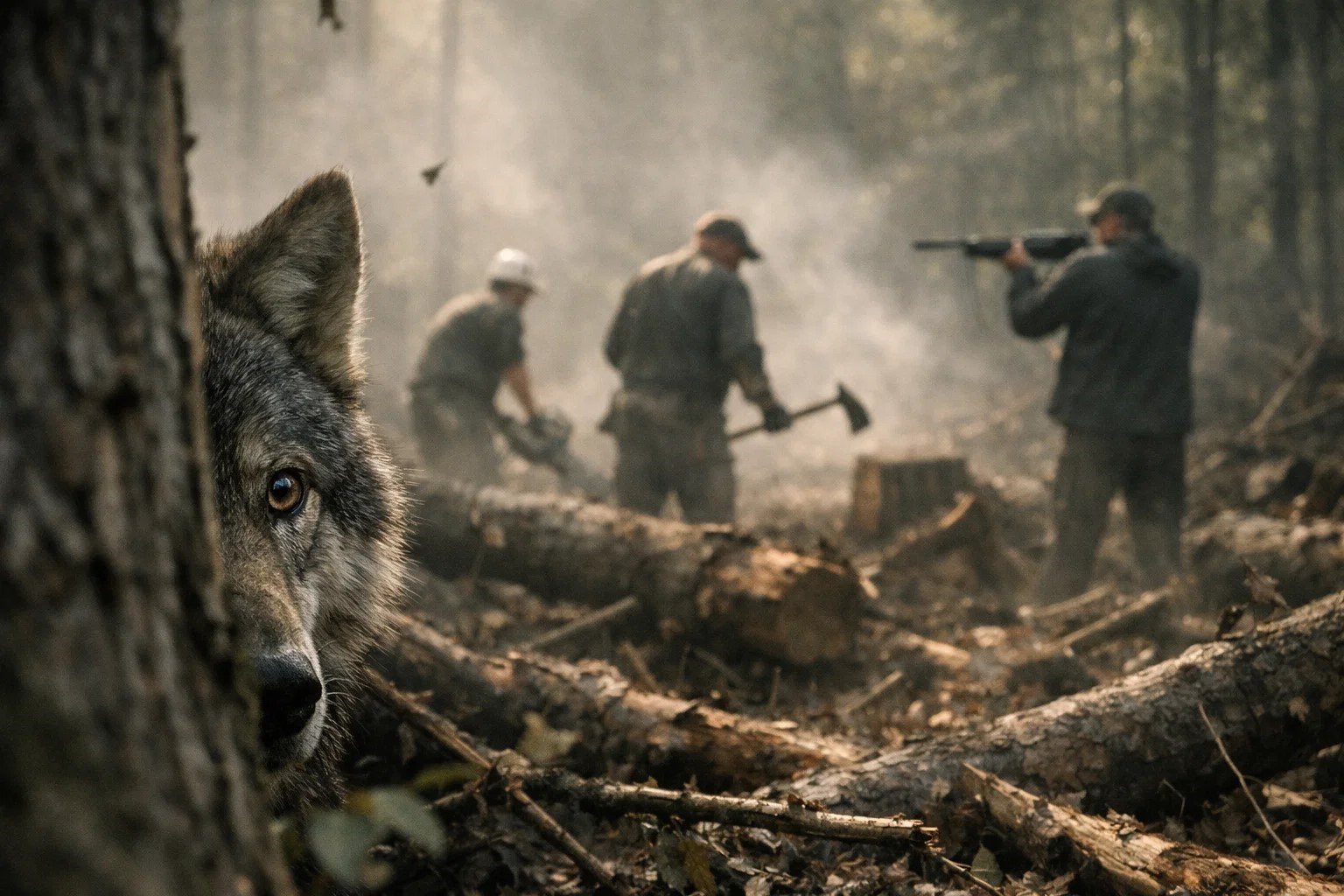
Stories have always shaped how humans understand justice, power, and responsibility. When those stories are told through the eyes of animals, they often reveal uncomfortable truths about humanity itself. Fiction books about animal justice do more than entertain—they challenge long-held assumptions about dominance, progress, and coexistence. They ask readers to reconsider who truly holds wisdom and what a just world might look like if every voice mattered.
Among modern narratives that boldly explore these ideas, The Eagle Has Landed by Alliance B. Asaba stands out as a deeply philosophical, imaginative, and emotionally resonant work. Through allegory, satire, and moral reflection, the book offers a powerful contribution to the growing body of fiction genre that emphasizes balance, empathy, and hope rather than revenge or violence.
This blog explores how The Eagle Has Landed embodies the heart of animal justice storytelling, why such narratives resonate so strongly today, and how other notable works echo similar themes for readers seeking deeper insight.
Why Animal Justice Fiction Matters Today
The modern world is defined by speed, consumption, and constant noise. In that chaos, animals often become silent victims of habitat loss, exploitation, neglect, and invisibility. Animal justice fiction books respond to this reality by restoring voice to those who cannot speak in human systems.
These stories do not simply advocate for animals. They question human values. They expose contradictions between intelligence and wisdom, progress and destruction, comfort and cost. At their best, fiction books reveal that justice for animals is inseparable from justice for the planet—and ultimately, justice for humanity itself.
For broader insight into animal fiction and how they protect nature, read our blog “Best Fiction Books About Animals Protecting Nature and the Planet.“
The Eagle Has Landed: A Fable of Moral Reckoning
At its core, The Eagle Has Landed imagines a world where animals, after centuries of silent observation, finally decide to intervene. This is not a tale of violent rebellion or dystopian collapse. Instead, it is a measured, symbolic response rooted in restraint, coordination, and moral clarity. The animals in the story do not seek domination. They seek balance.
Eagles become messengers, elephants offer wisdom, dolphins disrupt destructive systems, and even pigeons play strategic roles. Their actions expose the fragility of human systems built on endless growth, overwork, and ecological disregard. In this way, The Eagle Has Landed exemplifies what makes fiction books about animal justice so compelling: the animals are not idealized heroes—they are mirrors.
This makes the novel an inspiring fiction book about animal justice, because its message is not about punishment, but awakening.
Voice as Power: Reclaiming the Silenced Perspective
One of the most striking aspects of The Eagle Has Landed is how it frames voice itself as an act of justice. Animals have always had awareness, intelligence, and emotional depth—but no platform. By giving them a voice, the story forces readers to confront how often power is mistaken for wisdom.
This theme places the novel firmly among the best fiction books about animals, where storytelling becomes a moral act. The animals’ dialogue is calm, observant, and often wiser than human rhetoric. They speak not from anger, but from accumulated understanding. Justice, in this context, is not about winning—it is about being heard.
Freedom Beyond Control
Unlike many narratives where freedom is equated with dominance or conquest, The Eagle Has Landed redefines freedom as alignment. Animals are free because they live within natural limits. Humans, paradoxically, are trapped by an excess of ambition, technology, and distraction.
This inversion is central to fiction books on animal justice, which often argue that liberation comes from restraint, not expansion. When the animals disrupt human systems—blocking roads, halting trade, refusing cooperation—they do so without cruelty. Their resistance is quiet, coordinated, and ethical. Freedom here is not chaos. It is clarity.
Hope Without Naivety
What makes The Eagle Has Landed particularly powerful is its refusal to fall into despair. While the book offers sharp critiques of human behavior, it also highlights moments of hope: a child who looks up, a community that listens, and individuals who remember how to be present.
This balance elevates the novel into the realm of top fiction books because it does not preach hopelessness. Instead, it asks readers to choose differently. Hope, in this story, is not guaranteed—but it is possible.
How Other Animal Justice Stories Echo These Themes
Readers drawn to The Eagle Has Landed often find resonance in other works that explore similar emotional and ethical terrain.
The Art of Racing in the Rain by Garth Stein
This novel, The Art of Racing in the Rain, told through the perspective of a dog, explores loyalty, dignity, and the quiet injustice animals endure when they lack agency. Like The Eagle Has Landed, it uses an animal narrator to reveal the emotional blind spots of human systems and reminds readers that understanding often comes from unexpected voices.
Watership Down by Richard Adams
A classic of animal-centered storytelling, this novel portrays rabbits forming societies, facing oppression, and fighting for survival. Its deep exploration of freedom, leadership, and moral choice aligns closely with the philosophical backbone of fiction books about animal justice, showing how animal narratives can reflect human political and ethical struggles.
The Boy, the Mole, the Fox and the Horse by Charlie Mackesy
While gentler in tone, this book shares The Eagle Has Landed‘s emphasis on compassion, vulnerability, and listening. The animals act as emotional guides, offering wisdom about kindness, courage, and connection—core values at the heart of animal justice storytelling. Charlie Mackesy, the author, brings these themes to life with his delicate storytelling and memorable illustrations, reinforcing the emotional depth of the narrative.
The Memory of an Elephant by Alex Lasker
This novel emphasizes remembrance, loss, and the long-term consequences of human actions on animals. The Memory of an Elephant mirrors The Eagle Has Landed‘s recurring theme that animals remember what humans forget—balance, patience, and respect for life.
Together, these works form a broader constellation of fiction books that approach the topic from different emotional angles while sharing a common ethical core. For more recommended reads, visit our blog “Book About Animals Teaching Humans: Why Does It Make An Impact On Readers?.”
Why These Stories Resonate Across Generations
Animal justice fiction endures because it bypasses defenses. Readers may resist direct critique of modern systems, but when those critiques come from animals—through allegory, humor, and tenderness—they land more deeply.
The Eagle Has Landed succeeds because it never claims moral superiority. Instead, it invites reflection. It asks what kind of world humans are building, and whether it is one worth inheriting.
That question places it firmly within the tradition of fiction books about animals that are less about animals alone and more about humanity’s future.
A Call to Listen, Not Conquer
Ultimately, The Eagle Has Landed suggests that justice begins with listening. Animals do not demand worship or control. They ask for awareness. They ask humans to slow down, to observe, and to remember that progress without balance is collapse in disguise.
As readers explore fiction books about animal justice, they encounter stories that challenge dominance-driven narratives and replace them with empathy-driven ones. These books remind us that justice is not a human invention—it is a natural principle.
Final Reflection
In a time defined by environmental crisis and moral fatigue, stories such as The Eagle Has Landed matter deeply. They remind us that animals are not symbols or resources—they are participants in a shared world.
If you are seeking fiction books about animal justice that blend imagination, philosophy, and hope, this novel—and the others discussed here—offer more than stories. They offer perspective.
And sometimes, perspective is the first step toward change. Explore our blog “Environmental Awareness Fiction Book Guide: Stories That Inspire Change” for awareness and save nature.
And sometimes, perspective is the first step toward change. Explore our blog “Environmental Awareness Fiction Book Guide: Stories That Inspire Change” for awareness and save nature.